Waterproof Materials for Long-Term Outdoor Living
Living outdoors for extensive durations, whether in a cabin, a transformed van, a small home, or a well-loved tent setup, requires a lot more from your products than a weekend camping journey ever before would certainly. Rain, humidity, snowmelt, and seasonal freeze-thaw cycles gradually wear down anything not constructed to manage sustained moisture exposure. Picking the ideal water resistant materials from the beginning can suggest the distinction between a shelter that lasts years and one that decomposes, rusts, or moulds within a few seasons.
Why Waterproofing Issues A Lot More for Long-Term Setups
A weekend sanctuary just needs to survive a brief burst of weather. Lasting outside living is a different challenge totally. Materials are exposed to hundreds of wet-dry cycles, UV deterioration, and constant moisture that can leak into joints, fasteners, and insulation. Over time, also little vulnerabilities worsen into major architectural or health concerns, consisting of mould growth, timber rot, and rusted equipment. This is why toughness and breathability matter equally as long as raw water resistance.
Roofing and Architectural Waterproofing
For any irreversible or semi-permanent outside structure, the roofing is the first and crucial line of defense. Standing-seam steel roof remains a favored for long-term builds due to the fact that it drops water successfully, withstands UV breakdown, and can last thirty years or even more with minimal maintenance. Rubber membrane layer roof, such as EPDM, is another solid option, particularly for flatter or low-slope structures like cabins and converted trailers, since it flexes with temperature level modifications without fracturing.
Below the noticeable roof layer, a top quality synthetic underlayment includes an important second barrier. Unlike older really felt paper options, synthetic underlayments stand up to tearing and hold up much longer under extended dampness direct exposure, purchasing beneficial time if the outer layer is ever before endangered.
Wall and Outside Cladding Options
Exterior walls require products that can deal with both straight rain and extended wetness without swelling or rotting. Fiber concrete house siding has ended up being a best choice since it stands up to water absorption, doesn't warp, and holds paint well over years. For a more natural visual, thermally changed wood is worth taking into consideration. The heat treatment process modifies the timber's cellular structure, making it much much less prone to moisture absorption and decay than without treatment lumber, while still offering the look of conventional hardwood.
Behind any kind of cladding, a well-installed weather-resistant barrier (typically called a residence cover) is important. It enables built-up indoor dampness to escape while blocking fluid water from entering, which aids prevent the trapped-moisture issues that tent cots trigger lots of lasting structures to fail from the inside out.
Fabrics and Soft-Sided Shelters
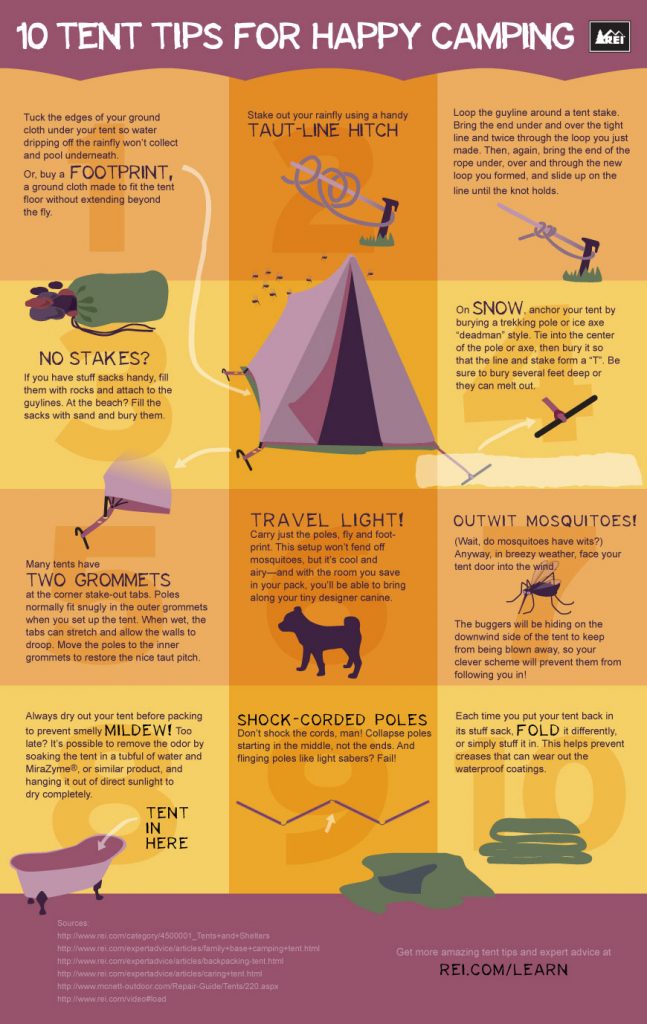
For those residing in camping tents, yurts, or canvas-walled frameworks lasting, textile choice is crucial. Waterproof-breathable materials, covered with polyurethane or silicone, supply solid water resistance while still permitting some vapor to pass through, reducing condensation buildup inside the shelter. Much heavier canvas, especially cotton duck treated with a wax or paraffin finish, has actually been made use of for generations in long-term outdoor shelters because it breathes well and can be re-treated as the covering wears down, extending its functional life far beyond synthetic options that deteriorate and can't be revitalized.
Flooring and Ground-Level Security
Wetness increasing from the ground is typically ignored, however it's equally as harmful as rain from above. A resilient vapor barrier below any flooring system stops ground moisture from wicking upward right into subfloors and living rooms. For raised frameworks, composite outdoor decking materials, made from a blend of wood fibers and recycled plastics, resist rot and insect damages much much better than solid wood, making them a smart choice for porches, sidewalks, and system bases.
Sealers, Joints, and Maintenance Information
Even the best waterproof materials will at some point fall short if the joints and joints aren't correctly sealed. Top quality silicone or polyurethane sealants continue to be adaptable with temperature swings, unlike cheaper caulks that crack and reduce gradually. For material shelters, joint tape or joint hold products designed especially for water resistant textiles should be reapplied occasionally, considering that this is typically where leaks initially create.
Deciding on Materials for Your Environment
No solitary material works almost everywhere. Moist climates call for breathable alternatives that stop trapped dampness, while snow-heavy areas take advantage of steep rooflines and materials ranked for repeated freeze-thaw cycles. Coastal environments include salt direct exposure into the mix, preferring corrosion-resistant metals and marine-grade sealants. Requiring time to match materials to your certain environment, as opposed to counting on common recommendations, is among one of the most crucial action in building a sanctuary implied to last.
Building for the Long Haul
Long-term outdoor living rewards perseverance and great product options upfront. Buying tested waterproofing systems, from the roofing down to the ground barrier, minimizes maintenance frustrations and safeguards both the structure and individuals living in it. With the right mix of materials fit to your climate and way of life, an outside space can continue to be dry, comfortable, and structurally sound for several years to find.